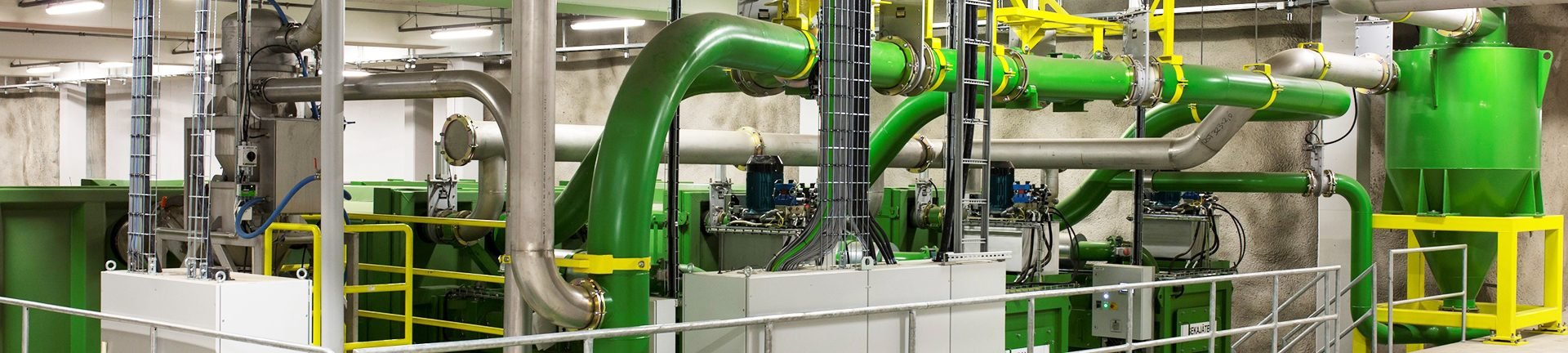
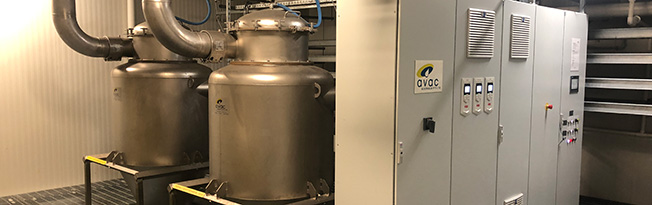
Solid Waste Collection Systems utilise vacuum pressure to collect and convey solid waste through a piping network. They consist of three main components: a waste collection station, a piping network and waste collection inlets. Users simply deposit waste into the inlets which is then sucked through the piping network to the waste collection station for disposal.
Benefits
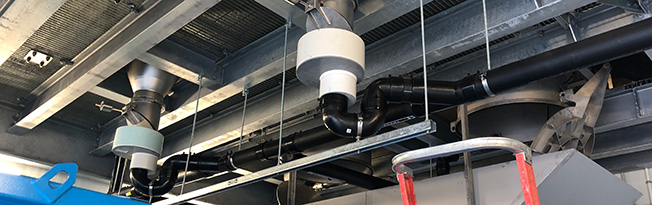
Better Waste Separation
Facilities such as university research laboratories have additional waste management issues to resolve, such as having to deal with bio-wastes, as well as the more conventional types of rubbish that they have in common with other high traffic facilities.
The Avac solid waste transfer technology enables the safe and efficient collection and automated transfer of separate waste streams, thereby facilitating the separation of bio-waste from recyclables and/or general rubbish.

Harvest Organic Waste
Most universities and research facilities have on-site food prep zones. This technology not only provides safe separation of biowastes but also allows separation of food-prep organic waste from other waste streams, which can be diverted for reuse.
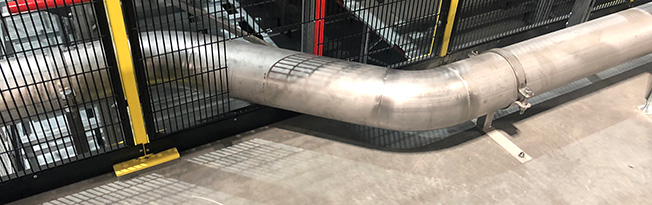
Superior Hygiene
The use of this technology eliminates overflowing rubbish bins and all the associated health risks to patrons and staff. Waste is whisked away to the central service area and automatically deposited into compacting containers ready for removal from the site.
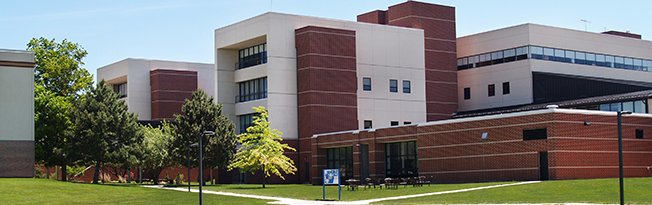
Safer Campus
The risks of injury to both patrons and staff of either slips or falls due to overflowing rubbish bins is eliminated, as well as the risks particularly to staff, of handling potentially dangerous elements during the handling of rubbish and the cleaning of waste receptacles.
Reduce Costs
This automated collection technology results in significant staff cost reductions by eliminating the need for staff to collect, move, empty, clean, and relocate waste receptacles.