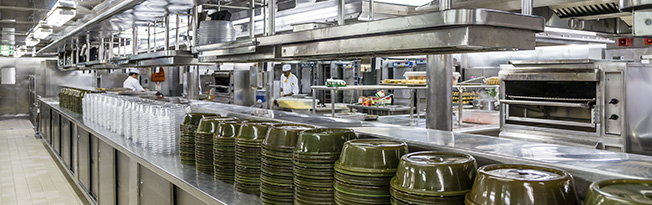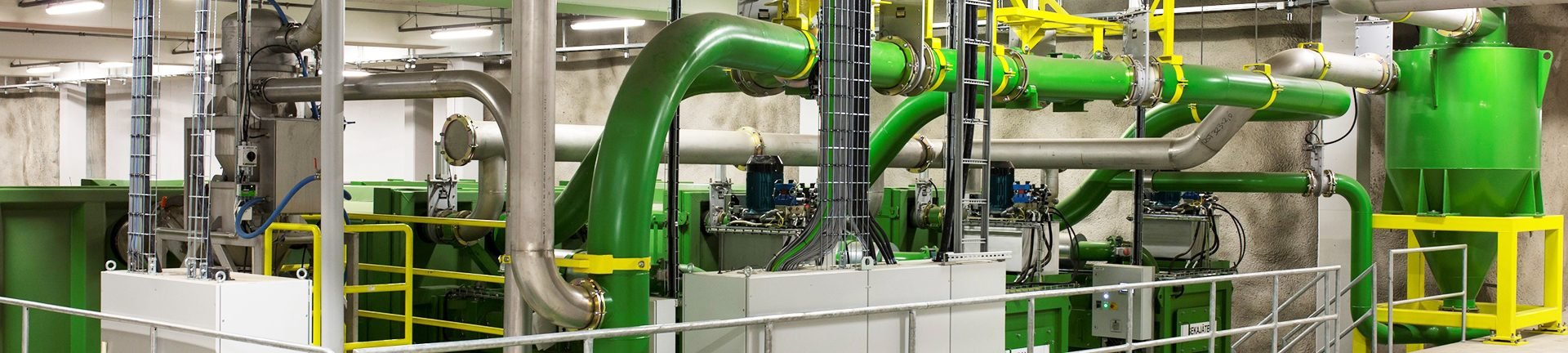

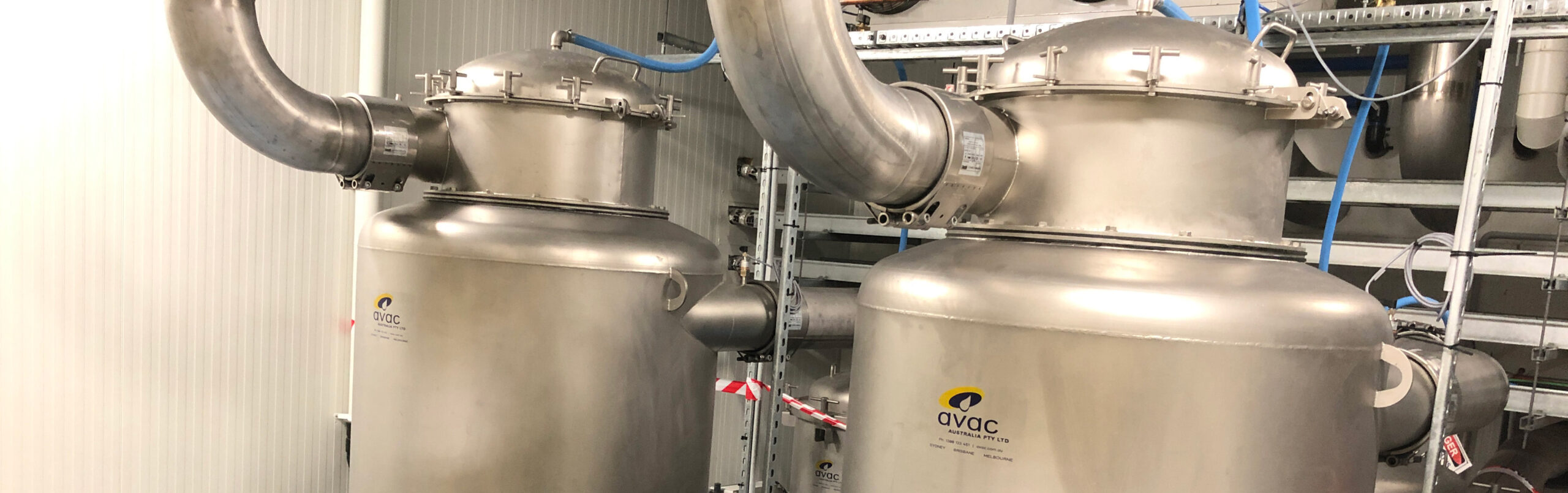
Solid Waste Collection Systems utilise vacuum pressure to collect and convey solid waste through a piping network. They consist of three main components: a waste collection station, a piping network and waste collection inlets. Users simply deposit waste into the inlets which is then sucked through the piping network to the waste collection station for disposal.
Benefits

Improve Safety
The risks of injury to both patrons and staff from slips or falls caused by overflowing rubbish bins are eliminated, as are the risks of handling and transporting heavy waste loads from waste generation points to far-away loading docks for collection.

Separate Organic Waste
This technology allows for the collection and automated transfer of various waste streams within the same facility, including the food prep zones. The organic waste from these zones can also be collected and transported automatically, using the primary system infrastructure, but via a separate piping network to different compacting containers ready for off-site removal and/or re-use.
Reduce Health Risks
The use of this technology eliminates overflowing rubbish bins and all the associated health risks to patrons and staff. Waste is whisked away to the central service area and automatically deposited into compacting containers ready for removal from the site.