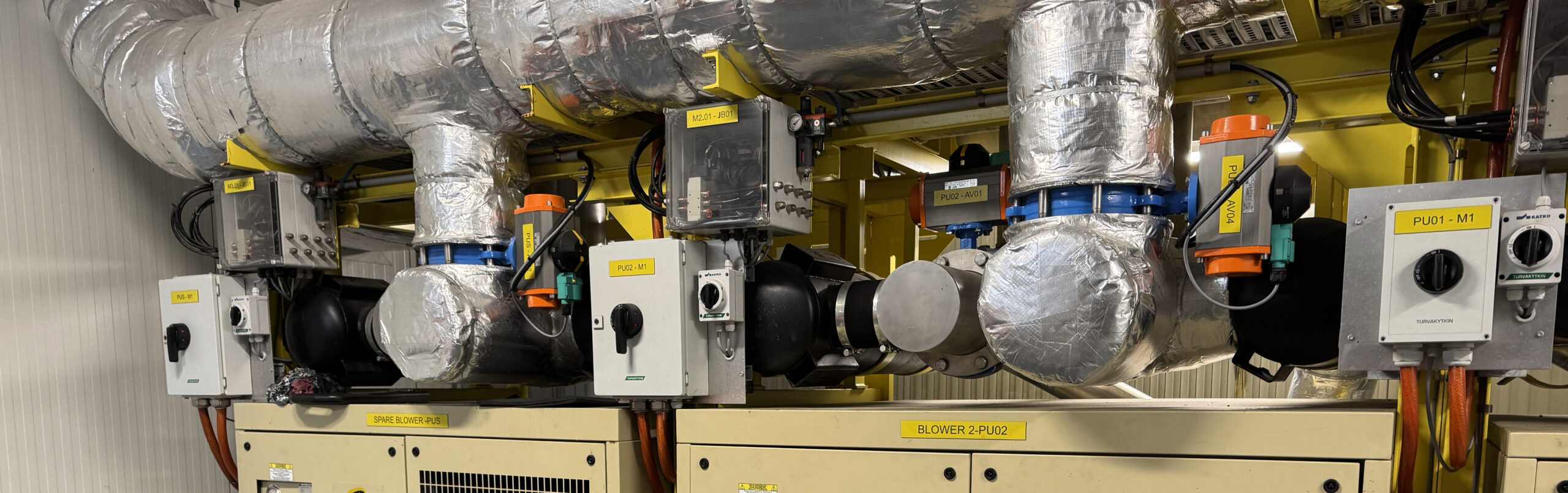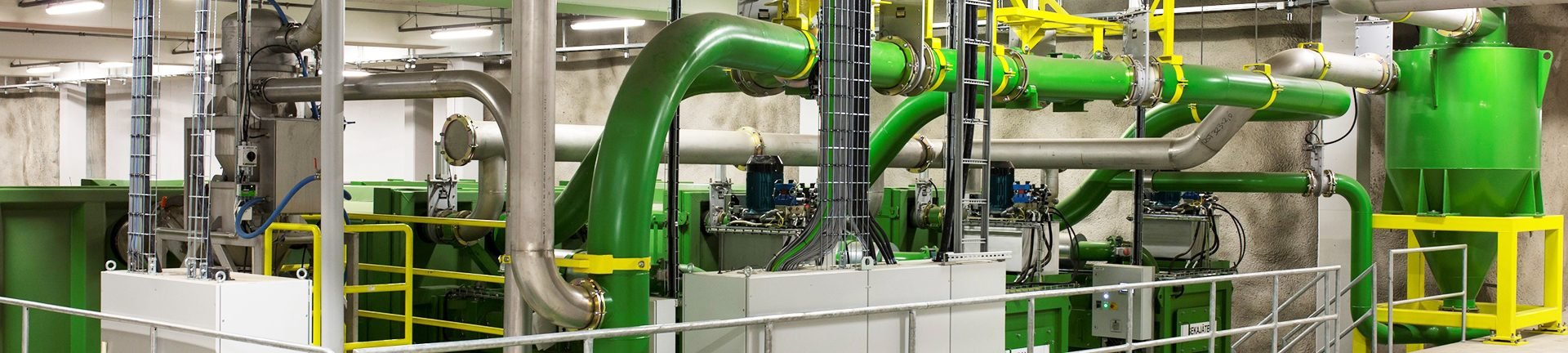

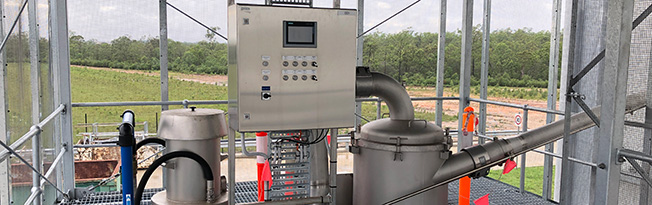
Solid Waste Collection Systems utilise vacuum pressure to collect and convey solid waste through a piping network. They consist of three main components: a waste collection station, a piping network and waste collection inlets. Users simply deposit waste into the inlets which is then sucked through the piping network to the waste collection station for disposal.

Benefits

Reduced Health Risks
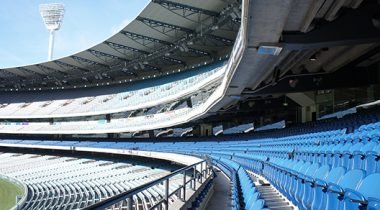
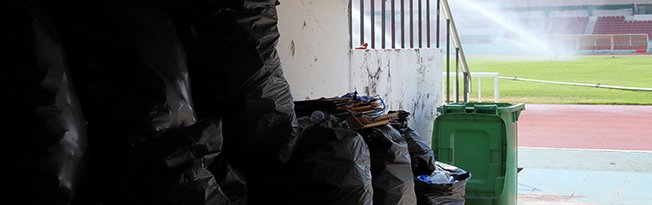
The use of this technology eliminates overflowing rubbish bins and all the associated health risks to patrons and staff. Waste is whisked away to the central service area and automatically deposited into compacting containers ready for removal from the site after the game has finished!
Improved Safety
By reducing the need to manually handle waste, the risk of injury to both patrons and staff is significantly decreased. No more slip and fall injuries caused by overflowing rubbish bins or needle stick (or similar) injuries when emptying and cleaning rubbish bins!
Reduce Costs
This automated collection technology results in significant staff cost reductions by eliminating the need for staff to collect, move, empty, clean, and relocate hundreds of rubbish bins.

Separate Organic Waste
The vacuum waste collection system allows various waste streams to be separated at the source of generation and transferred to dedicated collection points. This means that organic waste from the stadium’s food preparation areas can be collected and transported automatically using the primary system infrastructure, but via a separate piping network to different compacting containers ready for off-site removal/re-use.